Why I Like the Sol-Ark 15K-2P When Whole-Home Backup Needs Load Priorities
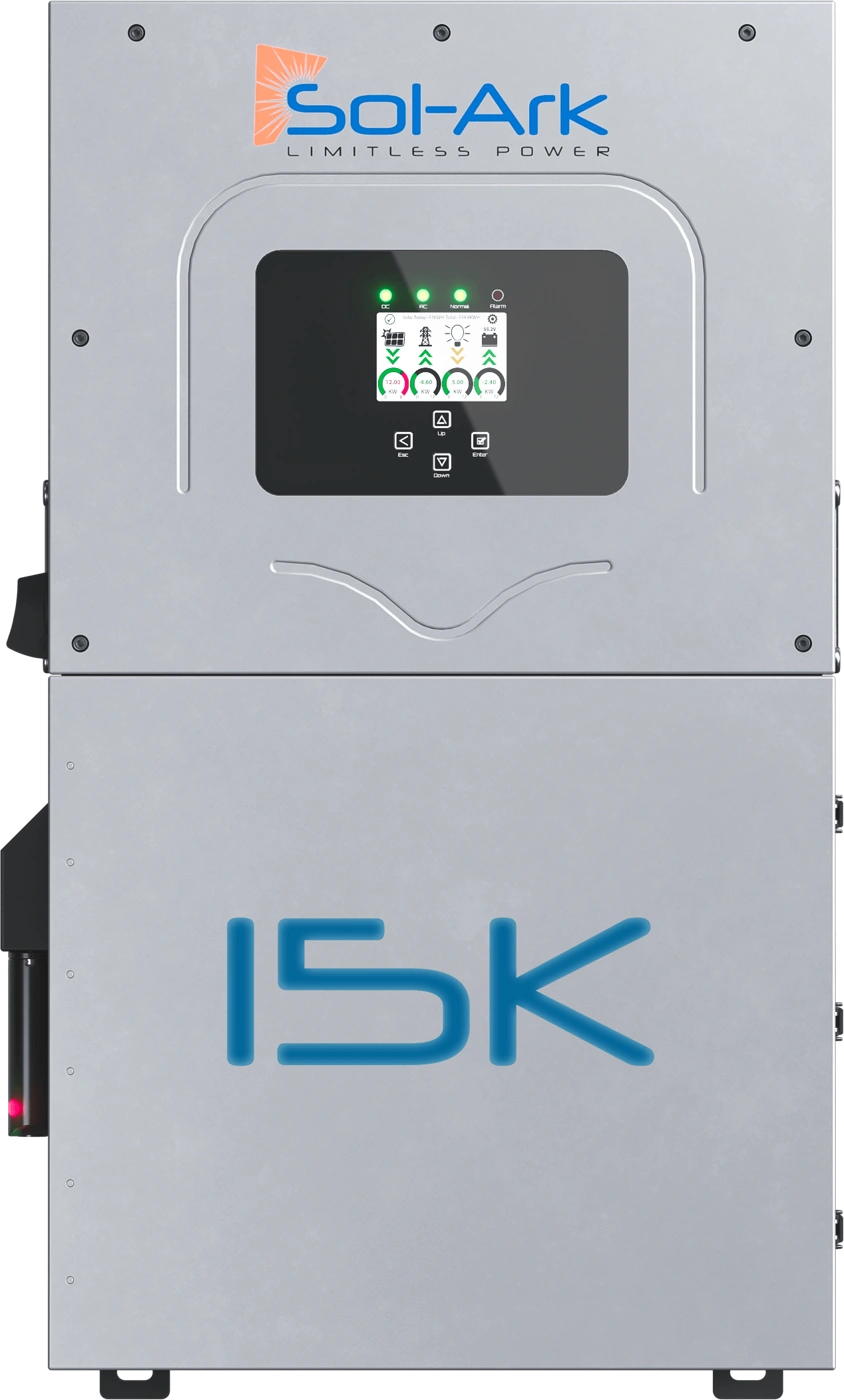
What I like about the Sol-Ark 15K-2P is that it gives me more than one way to think about backup power. I can plan for the home’s important loads, then use the Smart Load function for one flexible circuit that can wait for strong solar or a healthier battery state.
That matters in a Hawaii home where the electrical load may include air conditioning, a water pump, kitchen appliances, refrigeration, and a battery bank that you want to preserve overnight. The goal isn’t to pretend every appliance can run forever. The goal is to control the system intelligently instead of treating every load the same.
One inverter, several useful power levels
The current Sol-Ark 15K-2P-LV datasheet lists 15,000 watts of nominal real power at 240 volts with the grid available. In 120/240-volt backup operation, the inverter is rated for 12,000 watts of continuous power and 13,000 watts for a 30-minute surge period. It can reach 24,000 watts for a 10-second surge period in the specified off-grid condition.
Those numbers answer different questions. The 15-kilowatt figure is not a promise that a battery will supply 15 kilowatts all night. The 12-kilowatt continuous figure is the more useful starting point when I’m looking at sustained battery-backed loads. The short-duration ratings help with motor starting, such as a pump or compressor, but they don’t replace proper load calculations.
What Smart Load changes
On the Sol-Ark 15K-2P, the multifunction GEN connection can be configured as a Smart Load output instead of being used for a generator or AC-coupled solar input. In that role, the inverter can energize one selected circuit when conditions are favorable, based on the system’s programmed battery and solar logic.
That circuit might serve a water heater, an irrigation pump, or another flexible load. I would not put a refrigerator, medical equipment, or the home’s basic lighting on that priority. Smart Load is most useful for one load you’re comfortable running when solar production is available and allowing to turn off when the battery needs to be protected.
This gives the system a practical order of importance. Your essential home loads stay on the main backup output. One flexible circuit gets the extra energy when the battery is full enough or the solar array is producing well. When those conditions change, that circuit can be removed from the system’s workload without shutting down the rest of the house.
Why that can fit a Hawaii system
Imagine a home that wants backup for refrigeration, internet equipment, lights, outlets, and selected air-conditioning circuits. During the middle of a sunny day, the system may have more solar energy than those loads need. Smart Load gives the design a place to send some of that energy without making the battery do unnecessary work.
Later, when clouds arrive or the sun goes down, the system can favor the loads that matter most. That can help you avoid using battery energy on a lower-priority circuit while still keeping the home operating normally.
The 15K-2P also supports a 48-volt battery system, three maximum-power-point-tracking solar inputs, and up to 23,400 watts of maximum STC-rated photovoltaic input according to the current datasheet. Those are planning figures, not a reason to fill every input automatically. The actual array still has to match voltage, current, battery, roof, and local electrical requirements.
When I’d recommend looking closely at it
I’d put the Sol-Ark 15K-2P on the short list when you want whole-home backup, have substantial 120/240-volt loads, or want room for a thoughtful battery and solar plan instead of a small emergency subpanel. I especially like it when the design includes one flexible circuit that is useful but doesn’t need to run every minute of an outage.
It isn’t a substitute for sizing the battery around your actual overnight energy use, and Smart Load is not a way to exceed the inverter’s ratings. It’s a control feature that helps the system use available power in the right order.
Sol-Ark’s own educational video, Use your GEN INPUT as POWER OUTPUT, demonstrates the Smart Load idea and explains why the GEN connection can serve different purposes. It’s a general Sol-Ark lesson rather than a review of your specific home, but it’s a useful way to see the operating concept before we discuss your equipment.
If you’re planning backup for a Hawaii home, contact SolarMan and tell me what you want to keep running, what can wait, and whether you have a generator or existing solar. I can help you decide whether the Sol-Ark 15K-2P’s whole-home output and Smart Load control fit the system you’re actually trying to build.
Watch how it works
It teaches the general operating concept rather than reviewing a specific SolarMan installation.
Use your GEN INPUT as POWER OUTPUT || Sol-Ark Smart Load Application Guide — Sol-Ark
Sources and product details
Manuals and product information behind the details above.
- Sol-Ark 15K-2P-LV Datasheet Rev. 7, July 16, 2026 (Official manufacturer datasheet)
- Sol-Ark 15K-2P-LV Installation and User Manual V13.0 (Official manufacturer installation manual)
- Whole Home 15K-2P Hybrid Inverter (Official manufacturer product page)
- Use your GEN INPUT as POWER OUTPUT | Sol-Ark Smart Load Application Guide (Official Sol-Ark educational video)
- Smart Load Application Guide (Official Sol-Ark video mirror)